
Why Neurodivergence Isn’t a Trend: My Story and How to Support Those You Love
You’ve probably heard people say it—“everyone’s a little bit autistic,” or “everyone’s got a bit of ADHD these days.” I hear that a lot, and it stings every time. Because for people like me, neurodivergence isn’t a trendy new label or a quirk to toss around. It’s a lifelong part of how I move through the world—one that’s often been invisible, even to me.
For years, I struggled with feeling different. School was overwhelming, not because I didn’t care, but because the noise, the lights, the constant shifting of tasks felt like a never-ending wave crashing over me. In my teens and twenties, I didn’t have the language for it. I only knew that I was exhausted and often anxious, and that my best efforts to “fit in” left me drained.
Doctors didn’t see neurodivergence in me. Instead, they saw depression and anxiety. And to be fair, I was depressed and anxious—because constantly forcing yourself to perform in a world that doesn’t fit you is exhausting. But they missed the deeper current underneath: the way my brain is wired, the sensory overwhelm, the way I notice everything all at once.
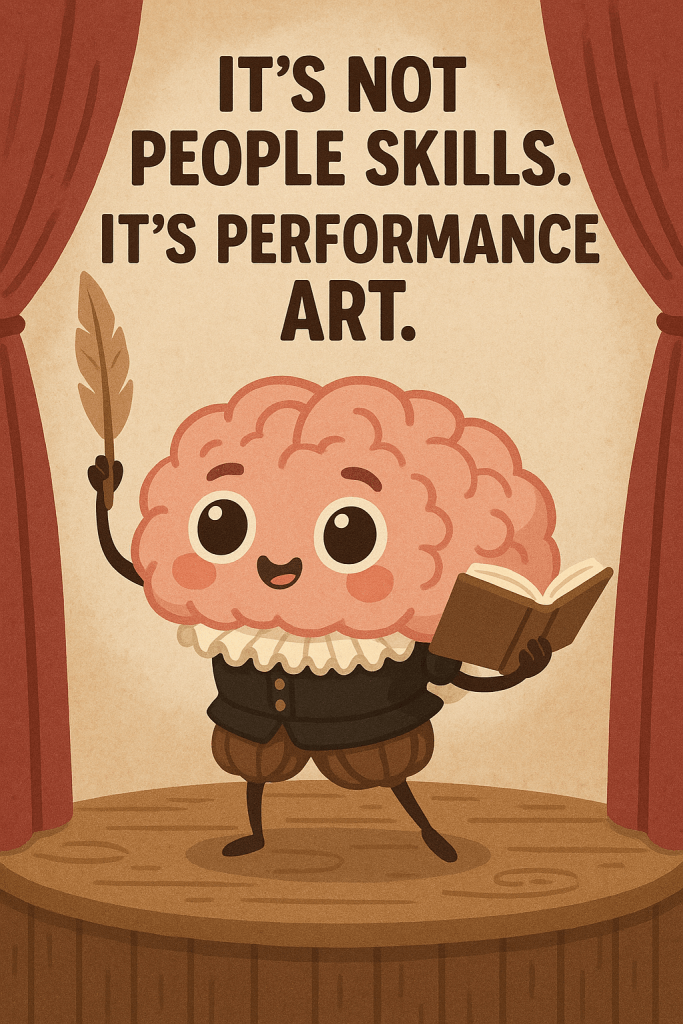
Especially as a woman, I learned to mask. To smile, to be “nice,” to not complain. So I spent years trying to fix what felt “broken” in me—without ever seeing that it wasn’t brokenness, but neurodivergence that needed understanding and support.
When I finally learned about autism and ADHD in women, something clicked. I realised I wasn’t alone. That these weren’t just personality quirks or things to “get over”—they were real parts of my brain. The sense of relief was huge, but so was the grief for all those years spent feeling wrong or lazy when I was really just different.
So no, it’s not a trend. It’s not that “everybody is a little bit autistic” or “everyone has ADHD now.” It’s that more of us finally have the language and the freedom to name what we’ve always felt. We’re unmasking. We’re refusing to keep pretending.
If you’re reading this and you have neurodivergent family or friends, here are some ways you can support them:
✅ Listen without judgment. Let them share their experiences in their own words.
✅ Believe them. Trust that their sensory needs and overwhelm are real, even if they’re invisible to you.
✅ Be flexible. Offer choices about how to communicate, socialise, or spend time together—some people might prefer quiet environments, clear expectations, or breaks to recharge.
✅ Respect their boundaries. If they say something is too much, don’t push them to keep going.
✅ Educate yourself. Learn about autism, ADHD, and other forms of neurodivergence—there’s so much more out there than outdated stereotypes.
✅ Ask what they need. Small adjustments, like turning down the music or giving advance notice for plans, can make a huge difference.
For me, understanding my neurodivergence isn’t about putting on a label—it’s about living more fully, with less shame and more self-compassion. It’s about being seen and supported. And that’s what I want for all of us.
 The NeuroQuarry
Leave a comment